Blogging Problem #2: Thinking you have formatted your blog correctly when all of a sudden it is a mess! Why am I having trouble formatting my blog posts? Words everywhere they should not be! Colors a mess! Note to self: when teaching students how to blog, don't just teach students how to write in the blog, teach them how to format the blog.
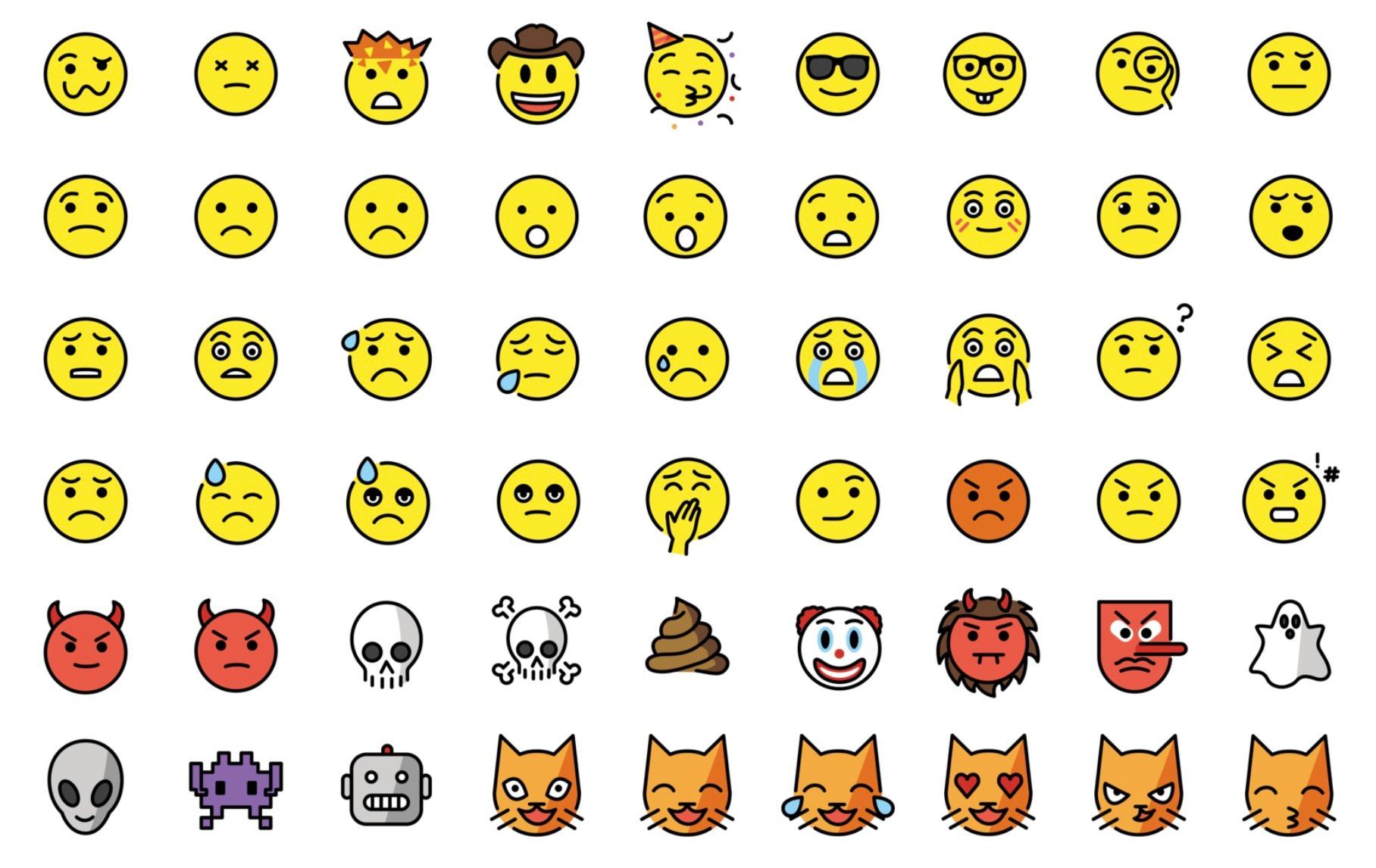
https://blog.emojipedia.org/content/images/size/w2000/2019/09/openmoji-emojipedia-2019.jpg
Emojiis, hashtags, grammar, OH MY! What do these things have in common? And what do they have to do with language and technology instruction in the second language classroom? When this article appeared in my Updates section of my inbox, I instantly wanted to read more as my curiosity struck and I wondered how the two questionsI posed would be answered.
I love seeking language learning apps and finding ways to incorporate the apps into my teaching or ways to share the apps with my friends who want to learn other languages. I often look for quality of vocabulary, variety of content, user friendliness, cost and the overall appearance of the app. When suggesting these apps to friends, family members, students and others, I often preface my suggestion by stating that no app can replace face-to-face instruction for a second language; however, beyond not wanting apps to replace this crucial, human aspect of language learning, I had not considered what exactly about language learning apps make me sometimes skeptical.
Heather Lotherington challenges the typical format and presentation of many popular language learning apps. These apps typically rely on testing information, drilling vocabulary and reiterating simple phrases. She mentions there is little, direct grammar instruction or explanation and the language is not dynamic in its
presentation. These apps do not address how language is actually used.
After researching a variety of popular learning apps, Lotherington states that these apps simply do not consider how online communication is in a sense changing how we communicate. New grammar and word formats are emerging from this online presence that are not taught within a simple language learning platform. For example, Lotherington mentions, that with the emergence of #hastags and character limits on Twitter, users are no longer bound to traditional grammatical rules. Instead, users are now relying on new grammatical conventions and abbreviations to communicate messages. Words now take on new syntax and are utilized more like aggulated elements (which by the way, I did not know was a grammatical term meaning building different words by gluing different parts that have separate meanings together).
Further, cross-cultural uses of emojis are not taught from the apps. A symbol in one language may have an entirely different meaning in another, or an abbreviation in one language may not apply in another. Without instructing these elements, miscommunication can occur.
So what does all of this mean for selecting language learning apps for the classroom? I still believe that language learning apps can be supplemental elements for instruction. The popular language learning apps still help learners understand basic forms and vocabulary in the L2. However, as language evolves, how we utilize and teach language with technology should also evolve. It is important for teachers to understand how and where students will be utilizing language and seek ways to incorporate the new linguistic elements from online communication into the classroom. Teachers can select a variety of blogs, Twitter handles or other social media platforms to guide students through the L2 online lingo and new linguistic elements (like #hastags and emojis). The lessons could be formal or could be supplemental tidbits that are taught periodically if time permits.
As Lotherington concludes, “Why not teach languages the way we actually use them?”
What social media communication elements would you teach to your students? And why?
For further reading check out Heather Lorthington's research on popular language learning apps and their relevance/ value in language learning: Mobile Language
Learning: The Medium is ^not the Message

Comments
Post a Comment